How to Tell If You Have Hard Water in Your Home
Table of Contents
Common Signs of Hard Water You Can Spot Today
White Spots, Film, and Chalky Residue on Dishes and Fixtures
Soap Scum, Weak Lather, and Dry Skin or Dull Hair
How to Test Water Hardness at Home: Step-by-Step
Using Hard Water Test Strips and Test Kits Correctly
Water Hardness Levels: What the Numbers Actually Mean
Hard Water Signs vs. Other Causes: How to Tell the Difference
How to Reduce Hard Water in Your Home
Frequently Asked Questions
Last Updated: October 17, 2026
Common Signs of Hard Water You Can Spot Today
If your dishes come out spotted, your soap won't lather, and your shower door wears a white haze, you likely have hard water. This guide from RooterMan of Indiana shows you how to tell if you have hard water in your home, starting with the clues you can spot in five minutes. Hard water is water carrying high levels of dissolved calcium and magnesium.
Those minerals are harmless to drink. The trouble starts when they dry on surfaces. Water evaporates, minerals stay behind, and that chalky film builds up on everything it touches. Below, we walk through the everyday signs, then show you exactly how to test your water and read the results.
White Spots, Film, and Chalky Residue on Dishes and Fixtures
Look at a freshly dried glass against the light. White spots or a cloudy film mean minerals dried on the surface. The same chalky residue shows up on faucets, showerheads, and the base of the kitchen sink. Left alone, it hardens into limescale, a crusty scale buildup that clogs aerators and slows water flow. Wipe a faucet with a dry cloth. If a white powder comes off, that's mineral deposit, not dirt.
Soap Scum, Weak Lather, and Dry Skin or Dull Hair
Hard water fights your soap. The minerals react with soap and form soap scum, that gray film on tubs, tiles, and shower doors. You'll notice weak lather and few bubbles, so you use more shampoo and never quite feel rinsed clean. Many homeowners also report dry, itchy skin after showering and dull hair that holds residue. A common mistake is blaming the soap. In practice, the water is the problem.
How to Test Water Hardness at Home: Step-by-Step
Soap tests and test strips give you a fast read on water hardness without calling anyone. Follow these steps in order.
Today's Homeowner with Danny Lipford
Fill a clear glass with cold tap water and let it sit a minute.
Add a few drops of pure liquid castile soap and stir for ten seconds.
Watch the lather. Lots of bubbles means soft water. Few bubbles and a gray film means hard water.
For a number, dip a test strip into a sample for the time on the package, shake it off, and wait.
Match the strip color to the chart within the stated window, since colors keep shifting.
Test cold water from a kitchen tap and, if you have one, an untreated outdoor spigot.
That last step matters. A softener treats only the lines it feeds, so a treated tap can read soft while your raw supply is hard.
Using Hard Water Test Strips and Test Kits Correctly
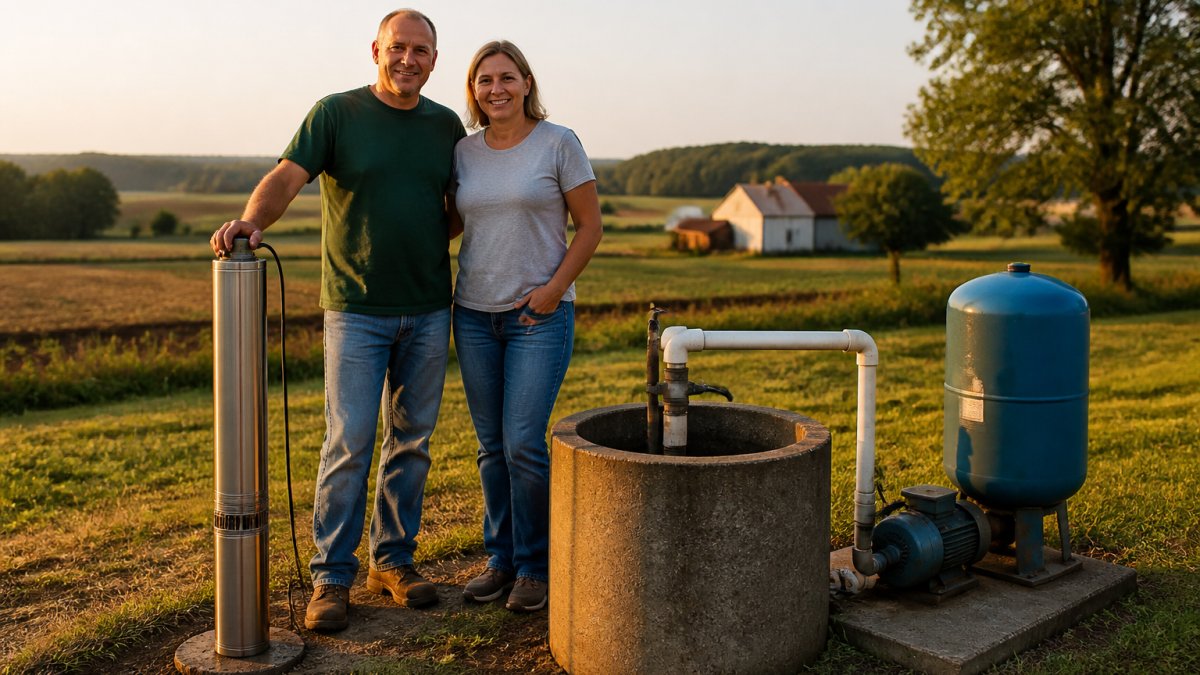
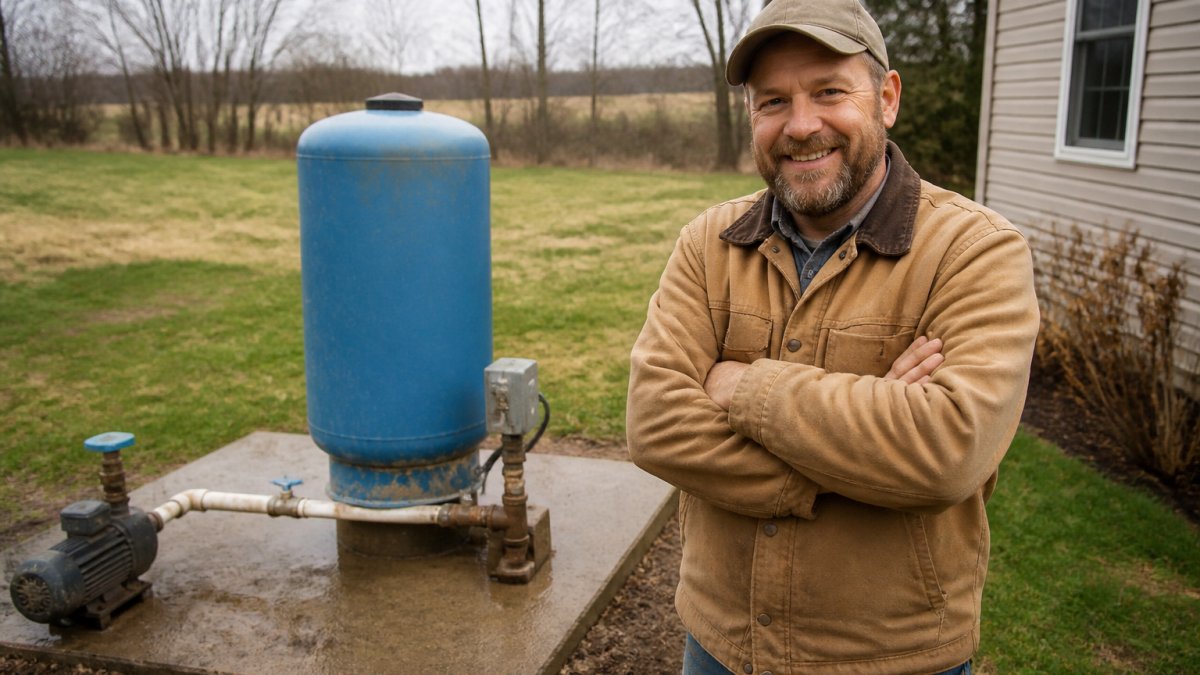
Hard water test strips are the fastest home option, and most people use them wrong. Read the package timing and stick to it. Dip for the listed seconds, shake once, and read at the exact wait time. Reading early or late gives a false result. Store strips sealed and dry, because humidity ruins them. For a precise number, a drop-count water testing kit or a lab sample beats strips. If you're on a private well, test at the well tank and at a tap, since hardness can change as water moves through the plumbing.

Water Hardness Levels: What the Numbers Actually Mean
A test result is only useful if you can translate it into a decision. Hardness is reported two ways: grains per gallon (gpg), the unit most treatment dealers and appliance manuals use, and milligrams per liter (mg/L) of calcium carbonate, the unit most municipal water quality reports use. They measure the same thing at different scales. One grain per gallon equals about 17.1 mg/L, so a report showing 120 mg/L is roughly 7 gpg.
Use this scale to place your result:
Hardness Level | Grains per Gallon (gpg) | Milligrams per Liter (mg/L) | What You'll Notice |
Soft | 0-3 | 0-60 | Good lather, little or no film |
Moderately hard | 3-7 | 61-120 | Spots on glassware, more soap needed |
Hard | 7-10 | 121-180 | Visible scale on fixtures, soap scum, stiff laundry |
Very hard | 10+ | 180+ | Heavy crust on faucets and showerheads, shortened appliance life |
Reading your own number. If your strip or kit reads 5 gpg, you are moderately hard: expect spots and extra soap, but scale may take months to show. At 12 gpg, you are in very hard territory, and the practical question shifts from "do I have hard water?" to "which fixtures and appliances are absorbing the cost?" A reading under 3 gpg usually means hardness is not the cause of your spots, and you should look at soap residue, rinse-aid settings, or a failing fixture instead.
Where to find the official number. Community water systems must publish an annual consumer confidence report, sometimes called a water quality report, and it lists hardness or the calcium and magnesium levels you can convert. Find it on your utility's website or through the EPA's local water quality resources. The report gives a system-wide range, not a single figure for your tap, so treat it as a baseline and confirm with a home test. Private well owners have no report, so a strip, drop-count kit, or lab sample is the only source.
Pro Tip Record the units, the date, and the source (utility report, strip, or lab) next to every result. Hardness can vary by season and by source, and a number without its units is easy to misread later.
What the number does not tell you. Hardness measures calcium and magnesium only. A high reading says nothing about iron, manganese, chlorine, or sediment, which cause their own stains and tastes. If you see rust-colored staining alongside scale, ask for an iron test as well, because a softener sized for hardness alone may not solve the problem.
Hard Water Signs vs. Other Causes: How to Tell the Difference
Hard water is a frequent culprit, but it is not the only one, and treating the wrong cause wastes money. Run these quick checks before you buy anything.
White film on dishes. Dried soap or rinse-aid residue wipes off with a damp cloth and leaves no crust. Mineral scale feels gritty and clings after wiping. Run one load with no detergent and no rinse aid. If the film disappears, your dishwasher routine is the cause, not the water.
White crust on faucets and showerheads. Scale is hard, chalky, and dissolves in white vinegar over a few hours. Corrosion products from older galvanized pipes are usually rust- or gray-colored and do not fizz in vinegar. If only one fixture crusts while the rest stay clean, the problem is that fixture's aerator or a small leak, not the whole supply.
Stains around drains and fixtures. Rust-colored or orange staining points to iron, not calcium. Blue-green staining suggests copper corrosion from acidic water. Neither is fixed by a standard softener alone, so test for iron or acidity before choosing treatment.
Cloudy or milky water. Fill a glass and let it stand. If the cloudiness clears from the bottom up within a minute or two, it is trapped air, which is harmless and not a hardness sign. If it stays cloudy, suspect sediment or a treatment problem.
Dry skin and dull hair. Harsh soaps, long hot showers, and chlorine can all dry skin. A practical test: wash one hand with the same soap in distilled water and the other in your tap water. If the tap-water hand feels filmy or squeaky and the distilled-water hand does not, hardness or soap scum is likely involved. If both feel the same, look at your soap and shower habits first.
Weak lather everywhere. Hard water reduces lather across every tap, every day. If lather is fine at the kitchen sink but poor in the shower, check the showerhead for scale or a flow restrictor before blaming the supply.
The consistency rule. True hardness shows up broadly: spots, scale, and weak lather across multiple fixtures, day after day. A problem confined to one tap, one appliance, or one season usually has a local cause. When the signs are broad and persistent, confirm with a test strip or kit before investing in treatment.
How to Reduce Hard Water in Your Home
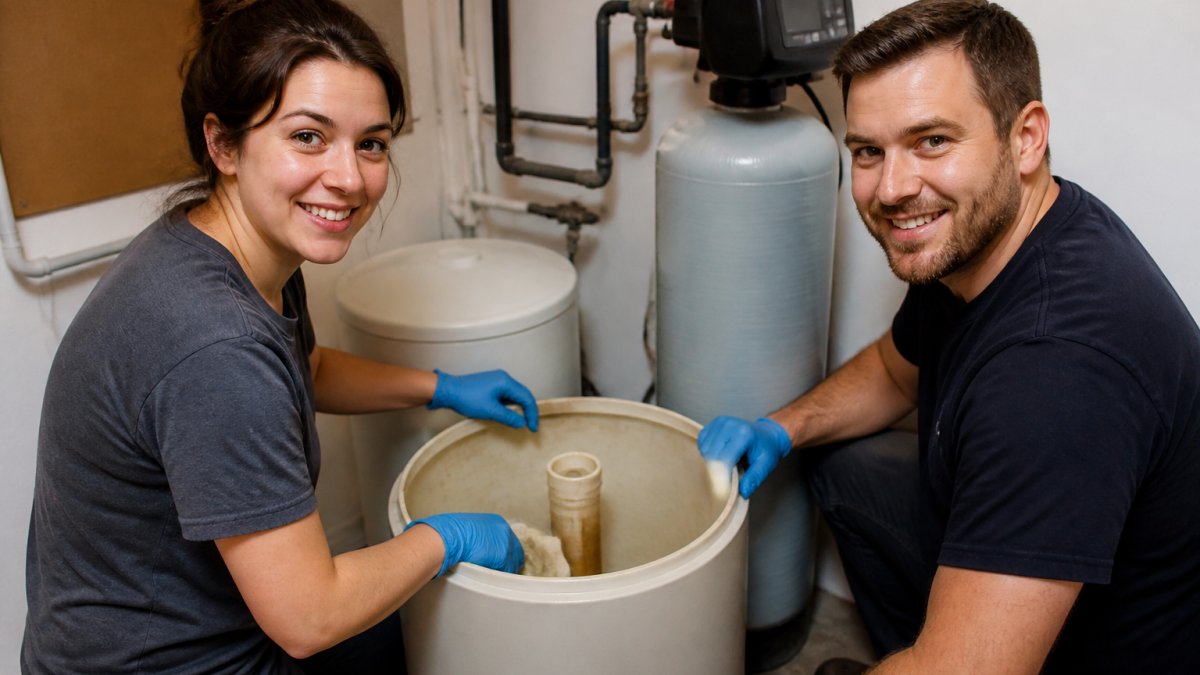
The most reliable fix is a water softener, which removes calcium and magnesium before water reaches your pipes and appliances. Whole-home systems protect the water heater, washing machine, and dishwasher from scale buildup. Smaller options like showerhead filters help a little but don't treat the supply. For well owners, pair softening with a sediment filter and regular well system checks.
That's where we come in. RooterMan of Indiana installs and services water softeners across East Central Indiana, including rural well systems. Our licensed technicians test your water, explain the results, and document the work with photos so you see exactly what was done. No vague estimates, no surprise line items.
Frequently Asked Questions
How do I test my home for hard water?
You can test with a soap test or a water hardness test kit. Fill a clear bottle with a few ounces of tap water, add a few drops of pure liquid soap, and shake for 10 seconds. Few bubbles and cloudy water point to hard water. For a precise number, use hard water test strips or a drop-count kit and compare the result to the chart. Test cold water from a faucet that is not connected to a softener so you measure your raw supply.
What water hardness levels should I worry about?
Water hardness is measured in grains per gallon (gpg) or milligrams per liter (mg/L). General ranges put 0-3 gpg as soft, 3-7 gpg as moderately hard, 7-10 gpg as hard, and above 10 gpg as very hard. Levels above 7 gpg are where limescale, soap scum, and appliance strain become noticeable. If you are on a private well, test at least once a year because hardness can shift with the water table.
Can hard water damage plumbing or appliances?
Yes, over time. Calcium and magnesium leave scale buildup inside water pipes, the water heater, and appliances like dishwashers and washing machines. Scale reduces flow, makes the water heater work harder, and shortens appliance life. It rarely causes an overnight failure, but it adds strain year after year. A water softener or treatment system is the standard fix, and a plumbing inspection can show how much scale has already formed.
Should I test my water before buying a water softener?
Always test first. A softener is sized to your actual hardness level, so guessing leads to an undersized or oversized unit. Test both the raw supply and, if you have one, the line after any existing treatment. If you are on a well, also check for iron and manganese, since those can mimic hardness symptoms and change which system you need. A licensed plumber can confirm results and recommend the right setup.
Hard water rarely causes an emergency, but it quietly shortens the life of your plumbing and appliances. If your test comes back hard, don't guess at a fix. RooterMan of Indiana offers licensed water softener installation, well system repair, and plumbing service with transparent pricing and photo-documented work. Schedule online with RooterMan of Indiana and get water that lathers, rinses, and stops leaving spots behind.
Contact Us
Comments